Does this sound familiar?
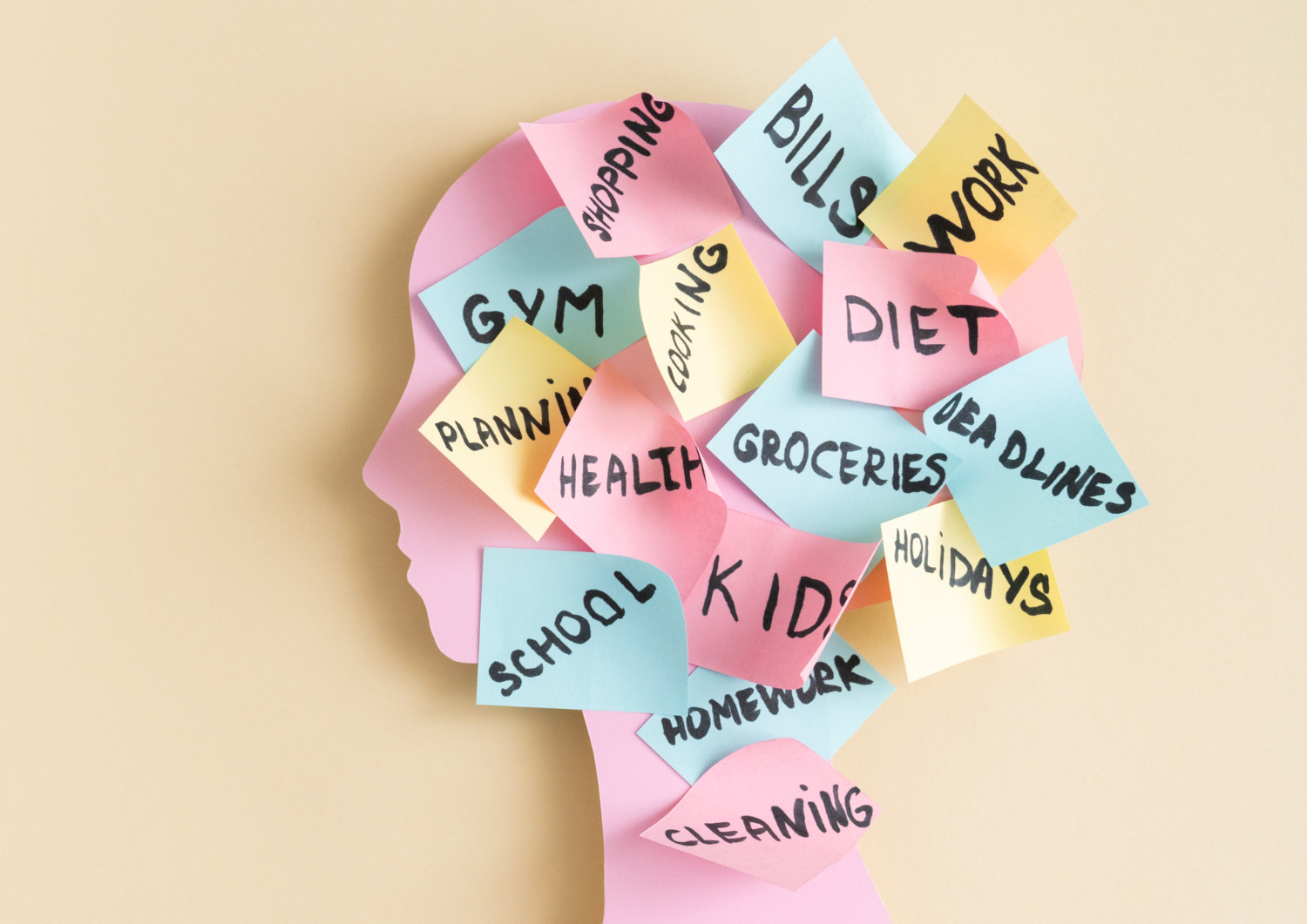
The woman feels she is carrying most of the mental load in the relationship - thinking about what the house needs; what the relationship needs; what the kids need.
The man feels he’s already doing his part - helping out in the chores, and taking a lot of stress from work to bring money home.
Both feel it's unfair. The woman feels it's unfair she has to take on more of the mental responsibilities. The man feels it's unfair he is blamed when he is already doing a lot.
Many couples feel stuck because of this. Both partners feel unseen and unheard.
Mental load is a common relationship issue, which we've worked with many couples on.
In this article, we'll share what are the deeper root causes of this, and practical strategies to balance the mental load.
Root Cause 1: What We Were Taught

Since the industrial revolution, roles were clear: men would work and women would run the home.
As our societies got more materialistic and productivity-focused, human contribution was seen mainly in financial and physical terms; mental and emotional labour was completely invisible and not counted.
So we absorbed these beliefs:
-
Women learned that running the household and nurturing the relationship was primarily their job.
-
Men learned that bringing home money was primarily their job.
-
All of us learned that money is the contribution that really counts.
But two things have changed that make these beliefs outdated. One, in most homes, both partners work. Two, mental and emotional load has gotten heavier for everyone - with AI and digital technologies increasing the pace of life and the number of micro decisions we have to make everyday.
So we must change our beliefs: Mental and emotional load must be considered equally to financial and physical load.
Many men I (Kester) work with misunderstand that doing chores is helping with the mental load. It’s not.
I explain that when you use your body to do tasks like washing the dishes or hanging laundry, you get tired physically. Similarly, when you use your mind to process information — like what needs fixing in the house, making decisions after weighing different options, planning schedules so everything gets done on time — it also feels tiring on the mind. And emotional labour, like calming an upset child, holding space for a partner who’s struggling, can be the heaviest of all.
Contribution is not just financial and physical. It’s also mental and emotional. All four count.
Root Cause 2: How We’re Each Wired
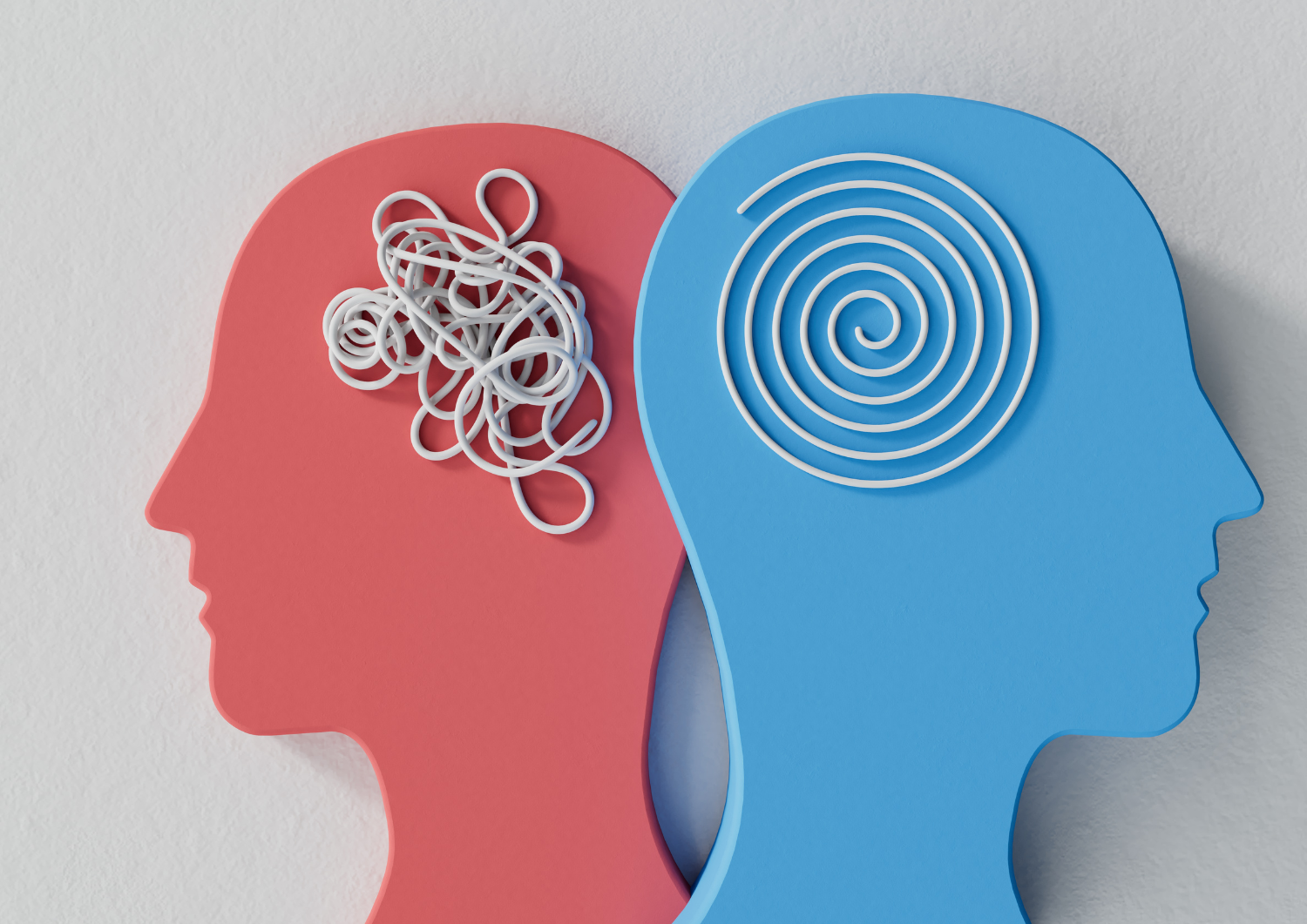
Certain innate qualities can lead to women naturally taking up more mental load than men.
Women tend to think in webs, men tend to think in lines.
When you give a man a task, he tends to think of the fastest way to complete it with the least amount of energy. For example, he’ll think of how to get the most number of clothes in the washing machine.
When you give a woman the same task, she’ll think of everything connected to it: will the clothes dry in time, will it rain, what needs to be washed separately, is there enough space on the drying rack, etc.
What’s driving this difference at a deeper level?
At its core, the Feminine energy (more dominant in women) is oriented towards connection and creation. It is always asking - what more can I create, what more can I do better, how can I connect, at a deeper level? Its end goal is a fuller and fuller experience of life.
The Masculine energy (more dominant in men) is oriented towards achievement and stillness. Its end goal is getting the task done, and coming back to rest.
Neither is better. Too much Feminine energy becomes overthinking and stress. Too much Masculine energy becomes narrow-mindedness and stagnation. They’re two strengths that need each other to find balance.
This understanding shifts how we see mental load imbalance — instead of seeing it as a matter of unfairness, we start to appreciate the strengths in each other, and see how we can learn from and complement each other. Men can learn from women how to think ahead and see the whole picture. Women can learn from men how to be grounded, focused and let things go.
Practical Strategies to Share Mental Load
-
Change your beliefs. Start to see mental and emotional work as equal to other forms of contribution in the relationship. Understand what is mental and emotional work.
-
See yourselves as a team. List down all the mental and emotional roles and responsibilities you both have. Ask each other: where do you need help? Where is it too much? Its not about “it’s your job so I don;’t need to care” or “it’s all on me alone”. It’s both of you, working together.
-
Be more intentional in complementing each other’s strengths.
-
Women could understand that when men miss the full picture, it may not be laziness but their natural thinking in “lines”. If he misses out on something, gently point out what else needs to be considered.
-
Men could understand that when women are stressed and holding too much, your strength is grounding her. Help her come back to the here and now, and prioritise what’s most important in that moment.
Making Permanent Changes
These surface-level strategies may work for a while. Until old patterns come back. That's usually because there's something deeper: subconscious beliefs or old wounds getting triggered.
For women, it could be the emotional loop of: "I have to do everything myself," or "If I don't hold it together, it all falls apart."
For men, it could be: "I'm always the problem in this relationship," or "I'm not good enough."
When those show up, the fight stops being about mental load or fairness. It becomes about healing something deeper.
That's exactly what we work on with couples — turning insight into lasting change by getting to the root, not just managing the surface.
Take Your Next Step
If you’re exploring, a great way to start is our brand new relationship quiz, which will help you identify what's really holding your relationship back. Take the quiz free here.
If you and your partner are ready to make real, lasting changes in your relationship, join our one-day Conflict Resolution Workshop, live in-person, on Sat 5th Sep, in central Singapore. Turn daily friction into lasting intimacy. Take away practical tools you can use immediately. Learn more here.
In Friendship,
Kester & Kavitha Shekar-Tay
Founders, SACRED® Institute
Creators, SACRED T.R.U.S.T. Method™
P.S. Life is sacred. Live with intention.
P.P.S. For highly motivated couples, our highest ticket offering is 1-on-1 Therapy and Mentorship Programme with Kavitha & Kester — A private, year-long experience designed to bring profound healing through our most effective therapeutic tools, and tremendous growth through our personalised guidance. Apply here.